Quick answer
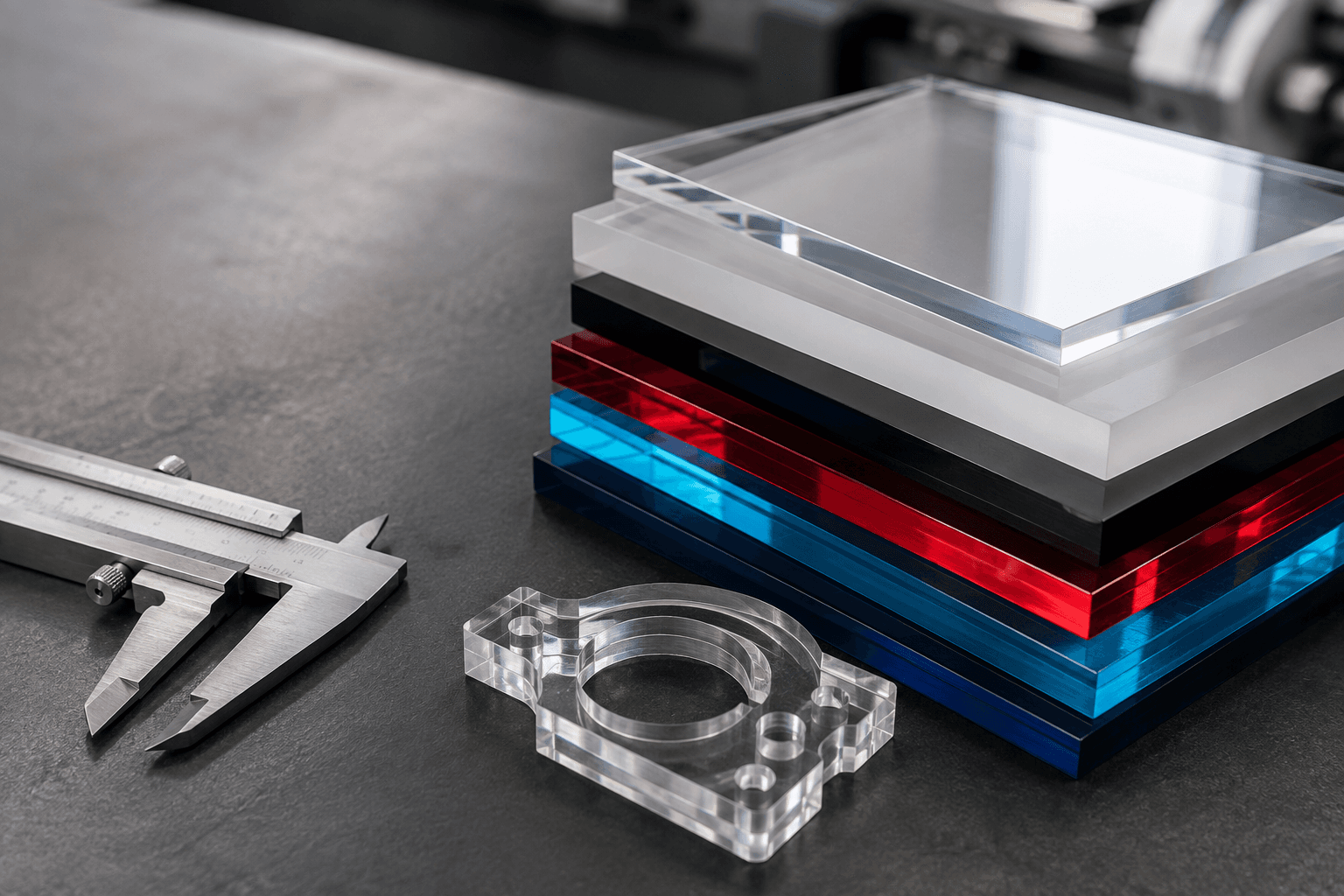
Clear acrylic sheets should be chosen when transparency, clean edges and visual product access are important. Buyers need to define the viewing direction, lighting, scratch sensitivity, finished thickness, fabrication method and protection level because small surface or optical differences can be very visible in the final application.
This guide is written for buyers who need a usable decision record before requesting a quote, approving a sample or releasing a custom acrylic order for production. It focuses on the details that repeatedly affect feasibility, repeatability and receiving quality in B2B programmes.
How should buyers choose clear acrylic sheets?
Clear acrylic sheets should be chosen when transparency, clean edges and visual product access are important. Buyers need to define the viewing direction, lighting, scratch sensitivity, finished thickness, fabrication method and protection level because small surface or optical differences can be very visible in the final application.
Turn the requirement into an approval record
For a B2B order, turn this point into a written part of the brief: name the decision owner, the evidence needed for approval and the condition that would require a revision. This prevents a commercial requirement from being lost between a visual reference, a supplier quotation and a production instruction. It also gives the factory a practical reference during factory testing instead of relying on an informal interpretation after production has started.
Validate the decision in actual use
During sample review, test this decision in the product application rather than in isolation. material selection, visible finish, critical dimensions, fabrication route, mounting, packing and approved sample evidence should be reviewed with the approved artwork, material and packing assumptions in view. Record the result with photographs and a dated approval note, then carry the same checkpoints into in-process inspection and shipment preparation.
Which applications suit clear acrylic sheets?
Clear acrylic sheets suit display cases, product covers, retail fixtures, windows for equipment, brochure holders, protective barriers and layered signs where the material must reveal rather than hide the product or background.
Turn the requirement into an approval record
For a B2B order, turn this point into a written part of the brief: name the decision owner, the evidence needed for approval and the condition that would require a revision. This prevents a commercial requirement from being lost between a visual reference, a supplier quotation and a production instruction. It also gives the factory a practical reference during factory testing instead of relying on an informal interpretation after production has started.
Validate the decision in actual use
During sample review, test this decision in the product application rather than in isolation. material selection, visible finish, critical dimensions, fabrication route, mounting, packing and approved sample evidence should be reviewed with the approved artwork, material and packing assumptions in view. Record the result with photographs and a dated approval note, then carry the same checkpoints into in-process inspection and shipment preparation.
How should buyers compare clear acrylic sheets with alternatives?
Compare clear acrylic with glass, polycarbonate and PETG by optical appearance, breakage risk, weight, scratch sensitivity, machining, edge finish, chemical exposure and the level of impact resistance the application actually needs.
Turn the requirement into an approval record
For a B2B order, turn this point into a written part of the brief: name the decision owner, the evidence needed for approval and the condition that would require a revision. This prevents a commercial requirement from being lost between a visual reference, a supplier quotation and a production instruction. It also gives the factory a practical reference during factory testing instead of relying on an informal interpretation after production has started.
Validate the decision in actual use
During sample review, test this decision in the product application rather than in isolation. material selection, visible finish, critical dimensions, fabrication route, mounting, packing and approved sample evidence should be reviewed with the approved artwork, material and packing assumptions in view. Record the result with photographs and a dated approval note, then carry the same checkpoints into in-process inspection and shipment preparation.
Which factors drive price differences in clear acrylic sheets?
Price depends on sheet grade, finish or colour, thickness, usable sheet yield, cut size, fabrication complexity, protective film, quantity, surface-quality expectation, packing and delivery route. Compare quotations only when the material and finished scope are aligned.
Turn the requirement into an approval record
For a B2B order, turn this point into a written part of the brief: name the decision owner, the evidence needed for approval and the condition that would require a revision. This prevents a commercial requirement from being lost between a visual reference, a supplier quotation and a production instruction. It also gives the factory a practical reference during factory testing instead of relying on an informal interpretation after production has started.
Validate the decision in actual use
During sample review, test this decision in the product application rather than in isolation. material selection, visible finish, critical dimensions, fabrication route, mounting, packing and approved sample evidence should be reviewed with the approved artwork, material and packing assumptions in view. Record the result with photographs and a dated approval note, then carry the same checkpoints into in-process inspection and shipment preparation.
Which specifications and load needs matter?
Specify clear grade, visible face, finished dimensions, nominal and critical thickness, sheet flatness where relevant, protective film, edge requirement, hole and cut details, required clarity and the lighting or backdrop used for sample approval.
Turn the requirement into an approval record
For a B2B order, turn this point into a written part of the brief: name the decision owner, the evidence needed for approval and the condition that would require a revision. This prevents a commercial requirement from being lost between a visual reference, a supplier quotation and a production instruction. It also gives the factory a practical reference during factory testing instead of relying on an informal interpretation after production has started.
Validate the decision in actual use
During sample review, test this decision in the product application rather than in isolation. material selection, visible finish, critical dimensions, fabrication route, mounting, packing and approved sample evidence should be reviewed with the approved artwork, material and packing assumptions in view. Record the result with photographs and a dated approval note, then carry the same checkpoints into in-process inspection and shipment preparation.
Is clear acrylic sheets suitable for fabrication?
Clear acrylic is suitable for laser cutting, CNC machining, engraving, polishing, bonding and controlled bending. Fabrication marks, edge appearance and stress near bends should be assessed on a representative sample under normal viewing light.
Turn the requirement into an approval record
For a B2B order, turn this point into a written part of the brief: name the decision owner, the evidence needed for approval and the condition that would require a revision. This prevents a commercial requirement from being lost between a visual reference, a supplier quotation and a production instruction. It also gives the factory a practical reference during factory testing instead of relying on an informal interpretation after production has started.
Validate the decision in actual use
During sample review, test this decision in the product application rather than in isolation. material selection, visible finish, critical dimensions, fabrication route, mounting, packing and approved sample evidence should be reviewed with the approved artwork, material and packing assumptions in view. Record the result with photographs and a dated approval note, then carry the same checkpoints into in-process inspection and shipment preparation.
How should design, installation and mounting be planned?
Plan clear panels around mounting visibility, hole clearance, fastener finish, support points, thermal movement, cleaning access and the possibility that rear hardware or adhesive may be visible through the sheet.
Turn the requirement into an approval record
For a B2B order, turn this point into a written part of the brief: name the decision owner, the evidence needed for approval and the condition that would require a revision. This prevents a commercial requirement from being lost between a visual reference, a supplier quotation and a production instruction. It also gives the factory a practical reference during factory testing instead of relying on an informal interpretation after production has started.
Validate the decision in actual use
During sample review, test this decision in the product application rather than in isolation. material selection, visible finish, critical dimensions, fabrication route, mounting, packing and approved sample evidence should be reviewed with the approved artwork, material and packing assumptions in view. Record the result with photographs and a dated approval note, then carry the same checkpoints into in-process inspection and shipment preparation.
How should surface quality and dimensions be inspected?
Check both visible faces for scratches, haze, embedded debris, protective-film condition, edge clarity, dimensions, holes and assembly alignment. Inspect under lighting that makes surface marks visible before shipment.
Turn the requirement into an approval record
For a B2B order, turn this point into a written part of the brief: name the decision owner, the evidence needed for approval and the condition that would require a revision. This prevents a commercial requirement from being lost between a visual reference, a supplier quotation and a production instruction. It also gives the factory a practical reference during factory testing instead of relying on an informal interpretation after production has started.
Validate the decision in actual use
During sample review, test this decision in the product application rather than in isolation. material selection, visible finish, critical dimensions, fabrication route, mounting, packing and approved sample evidence should be reviewed with the approved artwork, material and packing assumptions in view. Record the result with photographs and a dated approval note, then carry the same checkpoints into in-process inspection and shipment preparation.
How should clear acrylic sheets be cleaned, stored and protected?
Protect visible faces from abrasion, clean with a suitable soft non-abrasive method and prevent sheet-to-sheet contact during storage or transport. Do not remove film early if downstream fabrication or installation remains.
Turn the requirement into an approval record
For a B2B order, turn this point into a written part of the brief: name the decision owner, the evidence needed for approval and the condition that would require a revision. This prevents a commercial requirement from being lost between a visual reference, a supplier quotation and a production instruction. It also gives the factory a practical reference during factory testing instead of relying on an informal interpretation after production has started.
Validate the decision in actual use
During sample review, test this decision in the product application rather than in isolation. material selection, visible finish, critical dimensions, fabrication route, mounting, packing and approved sample evidence should be reviewed with the approved artwork, material and packing assumptions in view. Record the result with photographs and a dated approval note, then carry the same checkpoints into in-process inspection and shipment preparation.
How should packaging and transit risks be controlled?
Protect visible faces with the agreed film or separator, support panels to prevent flexing, protect corners and edges, control component movement and use cartons sized for the actual finished parts. Open selected production cartons during shipment inspection to verify the approved pack-out.
Turn the requirement into an approval record
For a B2B order, turn this point into a written part of the brief: name the decision owner, the evidence needed for approval and the condition that would require a revision. This prevents a commercial requirement from being lost between a visual reference, a supplier quotation and a production instruction. It also gives the factory a practical reference during factory testing instead of relying on an informal interpretation after production has started.
Validate the decision in actual use
During sample review, test this decision in the product application rather than in isolation. material selection, visible finish, critical dimensions, fabrication route, mounting, packing and approved sample evidence should be reviewed with the approved artwork, material and packing assumptions in view. Record the result with photographs and a dated approval note, then carry the same checkpoints into in-process inspection and shipment preparation.
What should importers verify when sourcing?
Importers should request a clear-sheet sample, confirm the approved viewing standard, agree packing protection for visible faces and document thickness, cut dimensions, quality checks and the receiving method for fragile finished panels.
Turn the requirement into an approval record
For a B2B order, turn this point into a written part of the brief: name the decision owner, the evidence needed for approval and the condition that would require a revision. This prevents a commercial requirement from being lost between a visual reference, a supplier quotation and a production instruction. It also gives the factory a practical reference during factory testing instead of relying on an informal interpretation after production has started.
Validate the decision in actual use
During sample review, test this decision in the product application rather than in isolation. material selection, visible finish, critical dimensions, fabrication route, mounting, packing and approved sample evidence should be reviewed with the approved artwork, material and packing assumptions in view. Record the result with photographs and a dated approval note, then carry the same checkpoints into in-process inspection and shipment preparation.
Buyer checklist before approval
A short written checklist helps a procurement team confirm that the production decision is complete before a project moves into volume manufacturing. Review the points below with the supplier and attach the final version to the approval record.
- Application defined
- Material sample approved
- Critical dimensions stated
- Fabrication route tested
- Mounting planned
- Shipment inspection agreed
These checks are not intended to replace a project-specific specification. They provide a practical handover between the buyer, artwork owner, factory team and logistics contact so each party knows which requirement has already been approved and which still needs an answer.
Production and delivery checks
Production planning should begin with a controlled handover: the approved artwork or drawing, material and finish, sample photographs, packing instruction and named inspection points. In-process factory testing is most useful when it checks the risks that affect the final product in use, not only a random finished unit. If the product has an assembly, a product-fit condition, a variable-data field or an installation component, include that condition in the written inspection plan.
Before dispatch, shipment inspection should look at the product and the complete packed set. Open selected cartons, check the protective materials, count components, compare carton labels with the required destination logic and photograph the prepared set. This evidence gives the receiving team a clearer reference and makes repeat orders easier to manage.
Conclusion
A practical brief, a documented sample and a defined inspection plan give a custom acrylic project a stronger basis for cost, quality and delivery decisions. Share the details that affect the product in use, then keep the approved record available for future orders and programme updates.