Quick answer
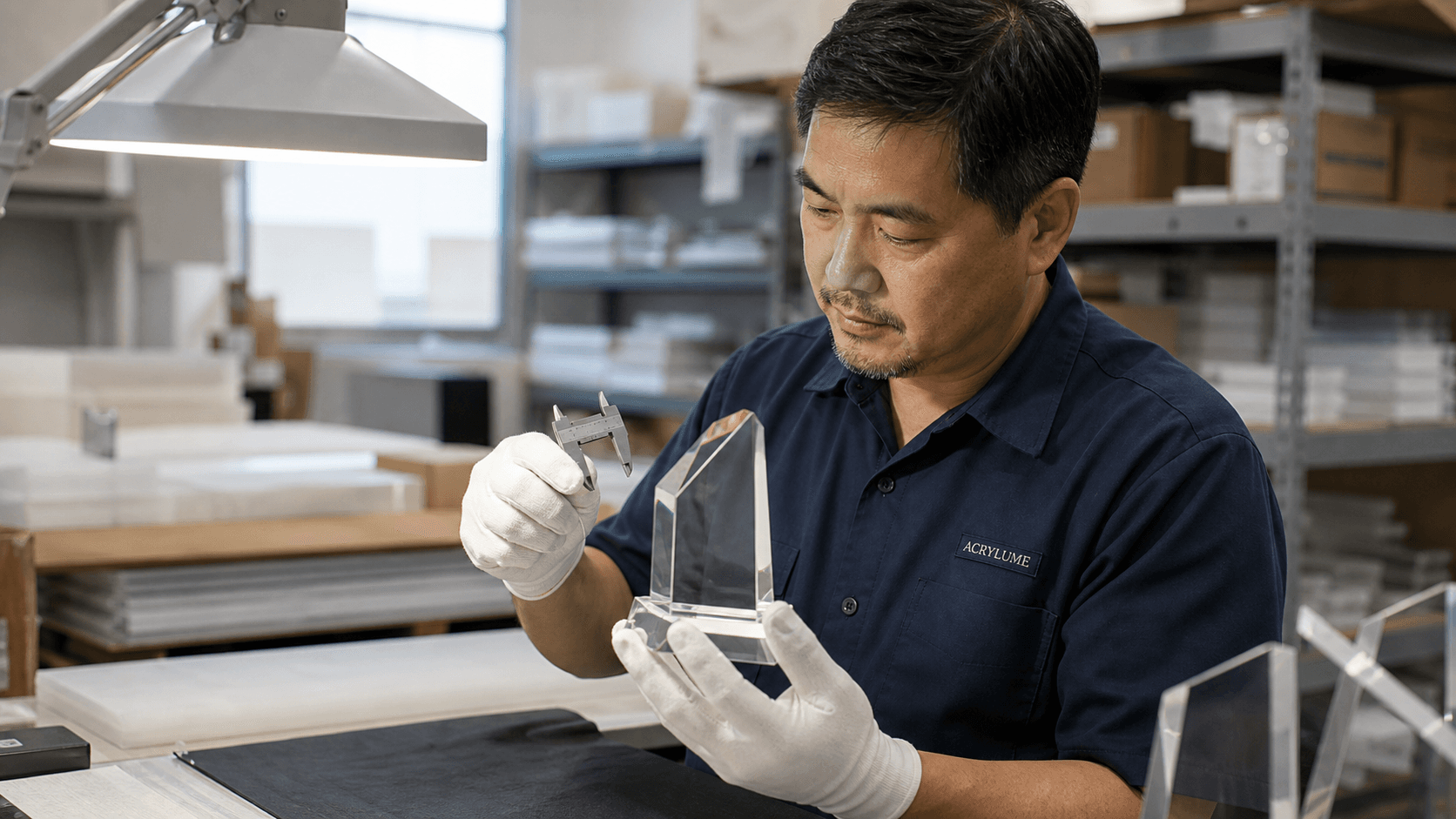
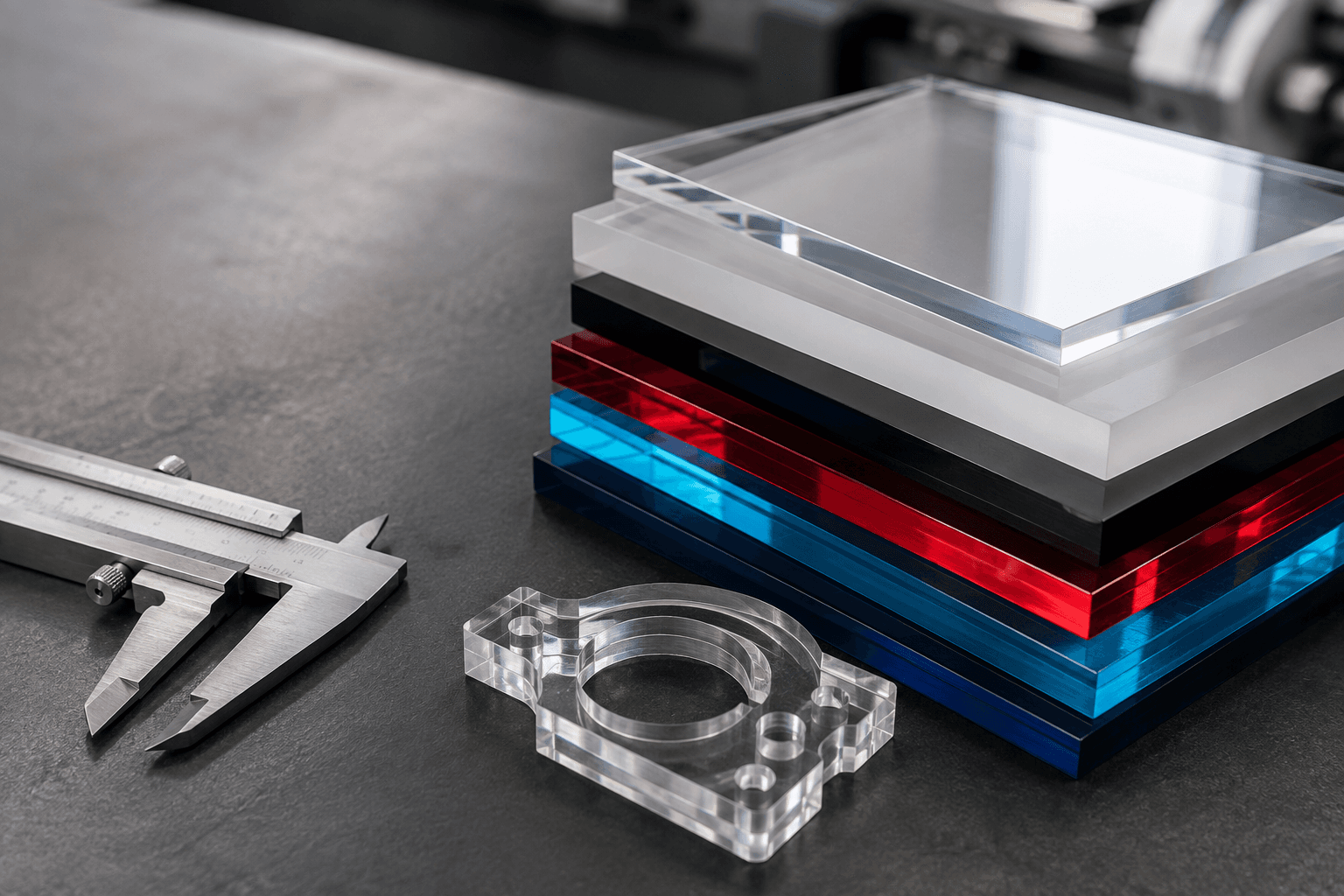
A sample approval should verify more than the product appearance. It should confirm artwork, dimensions, edge finish, print or engraving, assembly, stability, hardware, packaging and the records the factory will use during production and shipment inspection.
Compare the sample with the approved proof
Check the viewing side, artwork hierarchy, names, logo version and physical dimensions. If a design is viewed through transparent material, confirm the layer order and contrast from the actual use angle.
Test the real product application
Fit an actual product into a display, stand an award on the intended surface or test a keychain attachment. Real use can reveal issues with balance, access, readability or hardware that a studio photo does not show.
Record the production standard
Save photographs, the artwork revision, packing instruction and a written list of approved exceptions. The record helps the factory inspect consistent units and gives buyers a useful reference for repeat orders.
Production and delivery checks
Before production, agree the artwork revision, material, finished dimensions, decoration, packing and the conditions that matter to the product application. During production, factory testing should focus on the approved sample and measurable customer requirements. Before dispatch, shipment inspection should confirm finished quality, packing count, protective materials and the readiness of each carton for its next handling stage.
Conclusion
A practical brief, a documented sample and a defined inspection plan give a custom acrylic project a stronger basis for cost, quality and delivery decisions. Share the details that affect the product in use, then keep the approved record available for future orders and programme updates.